


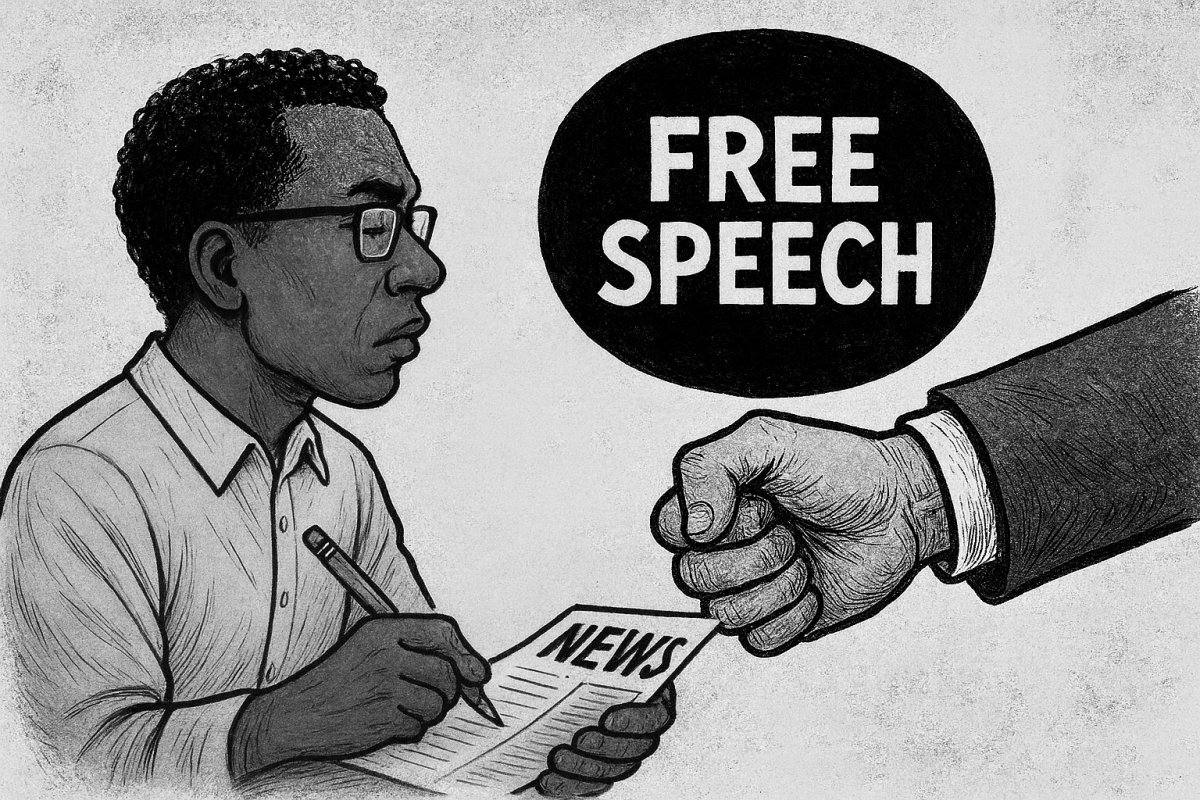





This past month the student newspaper at Indiana University received news that their faculty advisor would be terminated. The advisor claimed that he was fired because he stood up to censorship.
Chancellor David Reingold would not say why advisor Jim Rodenbush was fired but simply said it was a personnel matter. Rodenbush has now filed a lawsuit against the university.
The reason given for not printing the paper was financial, saying that they no longer could afford to print the paper.
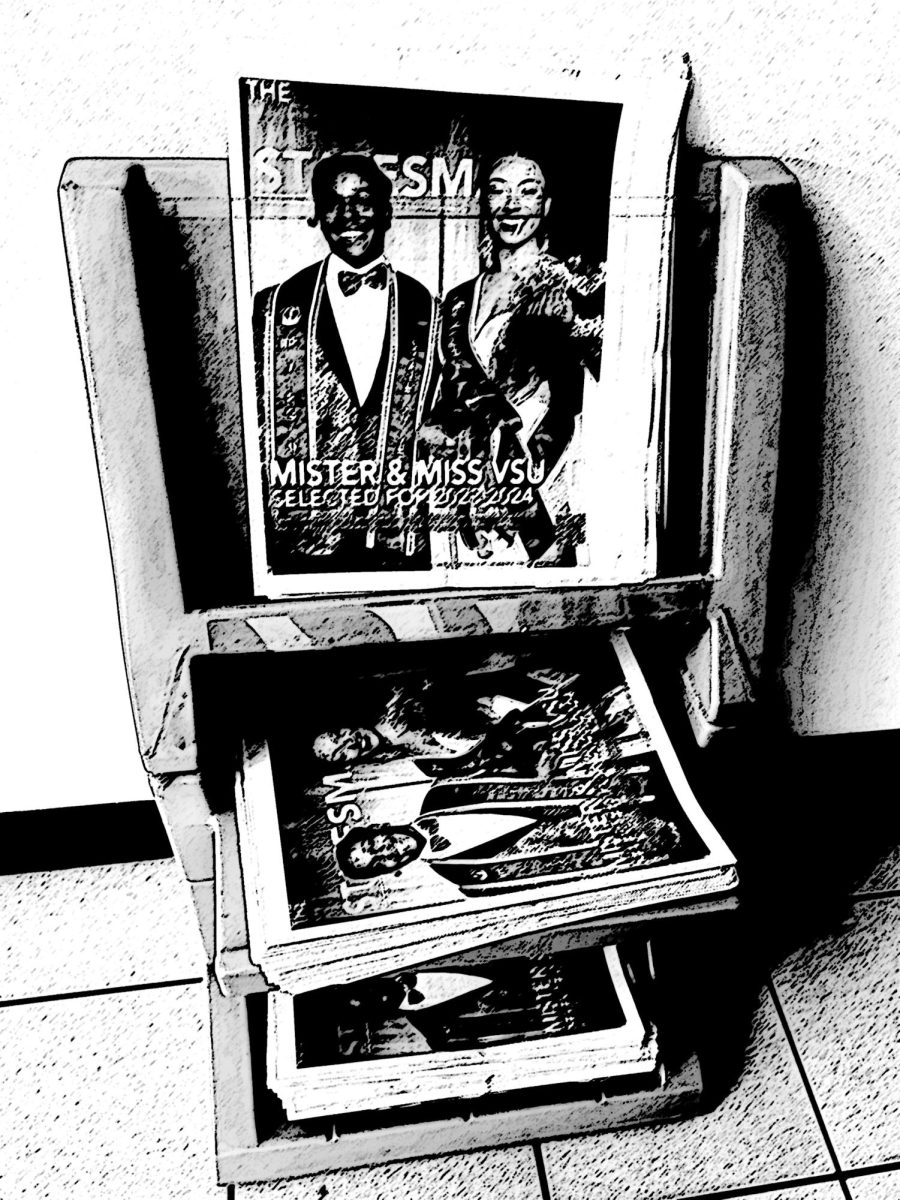
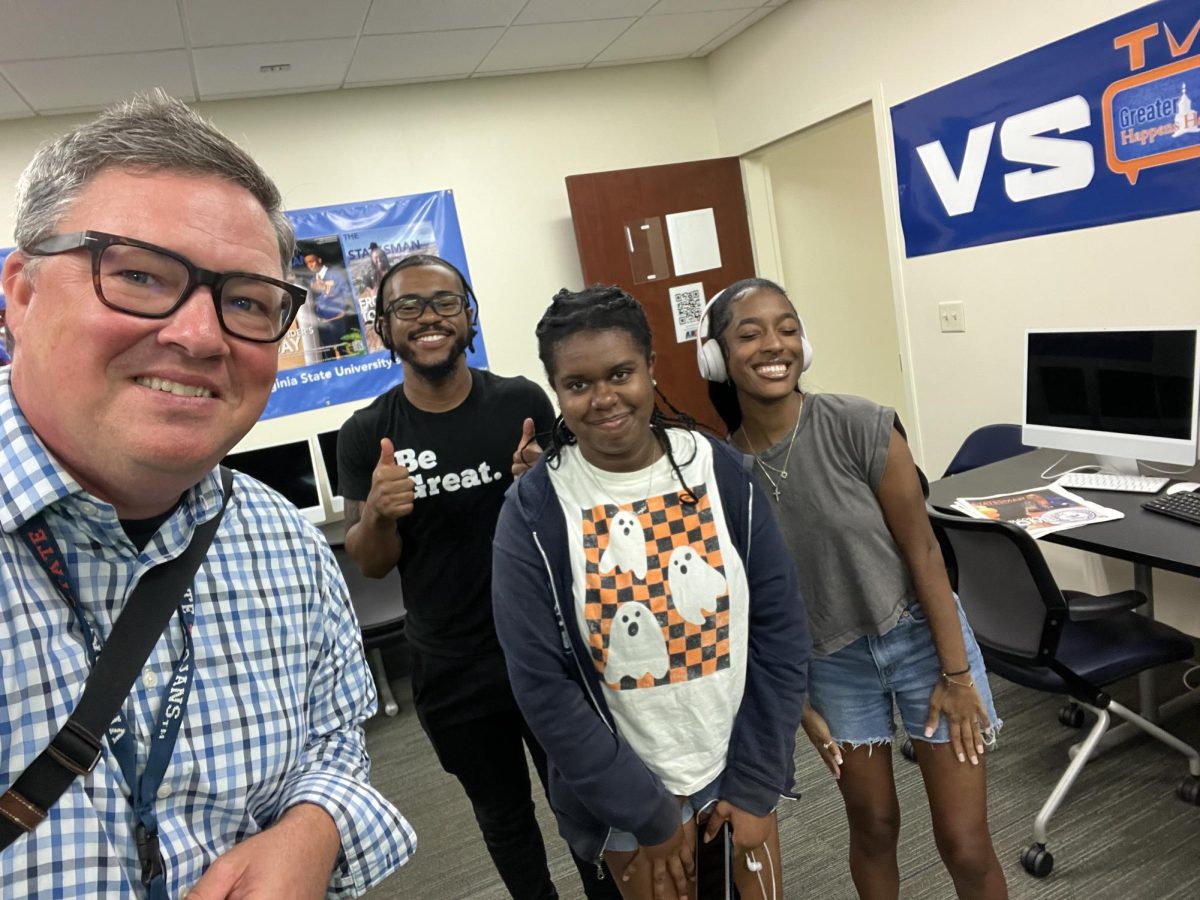
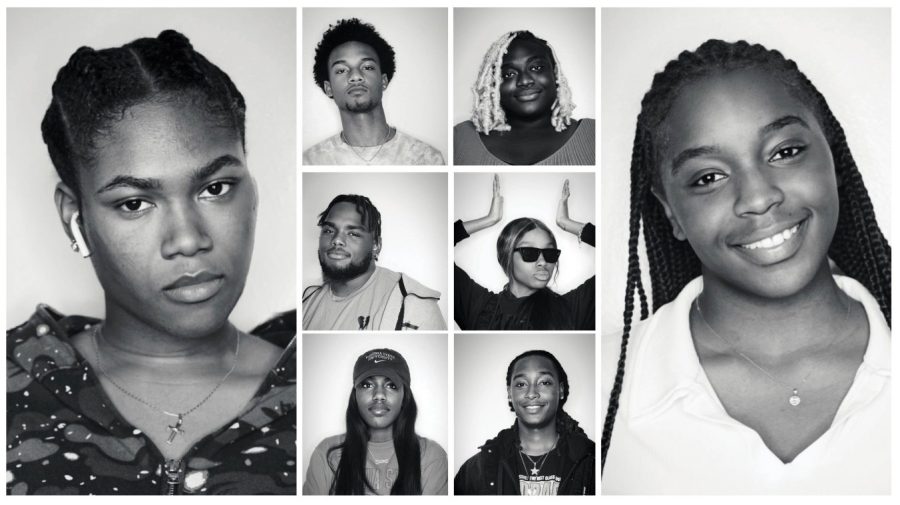
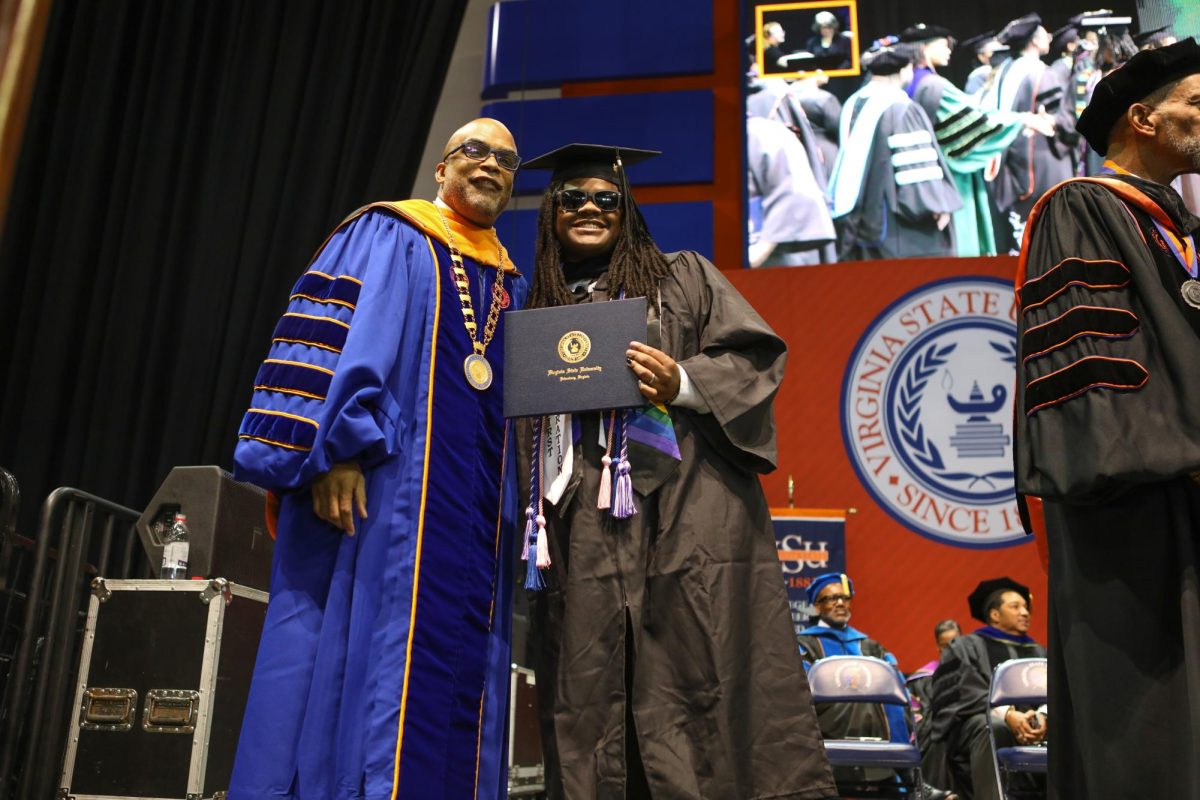
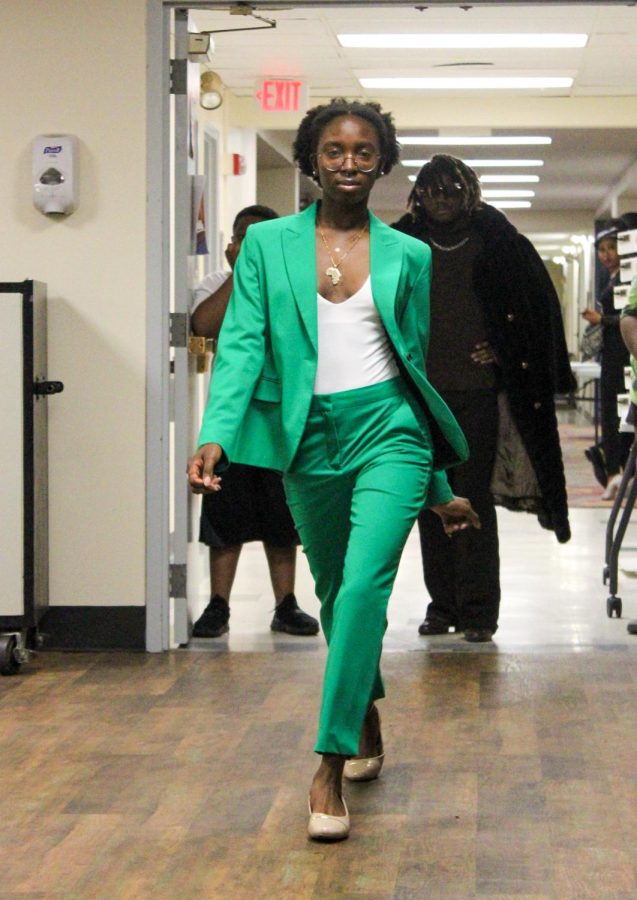
Since obviously this issue is near and dear to us at The Virginia Statesman we thought we might ask what our Mass Communications students thought about this issue…
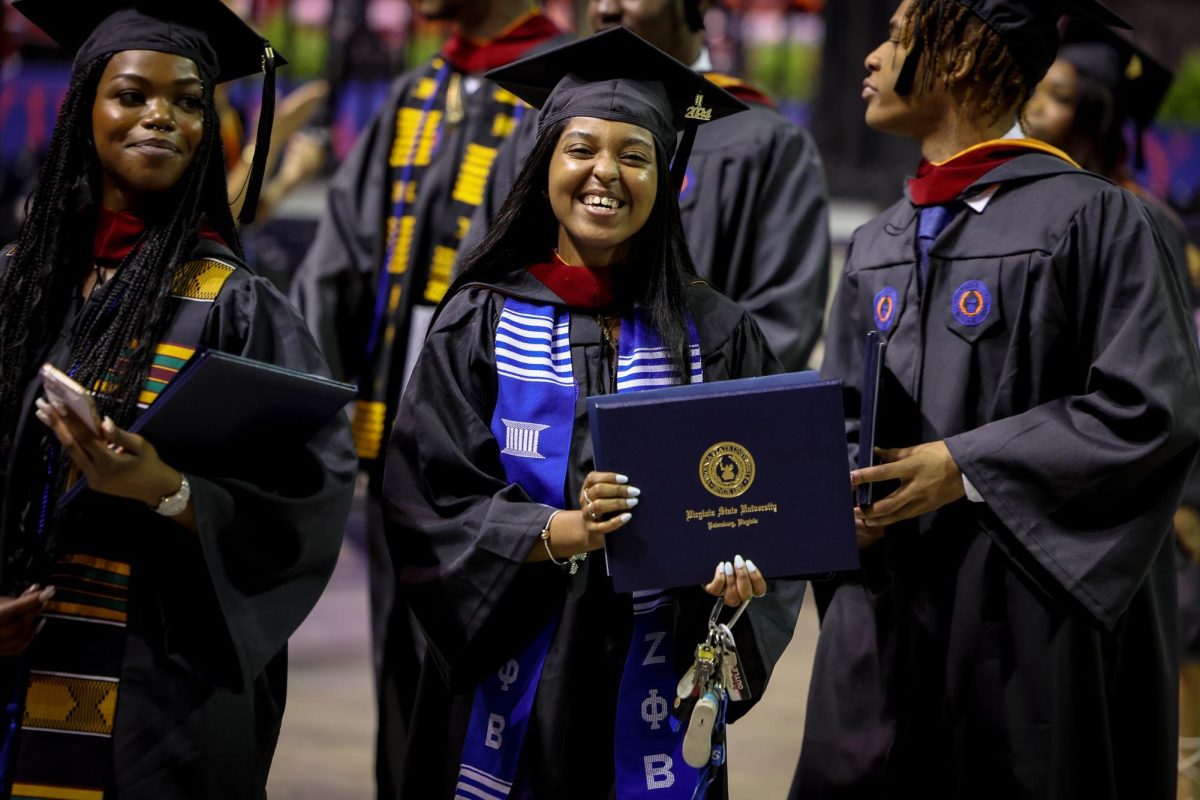
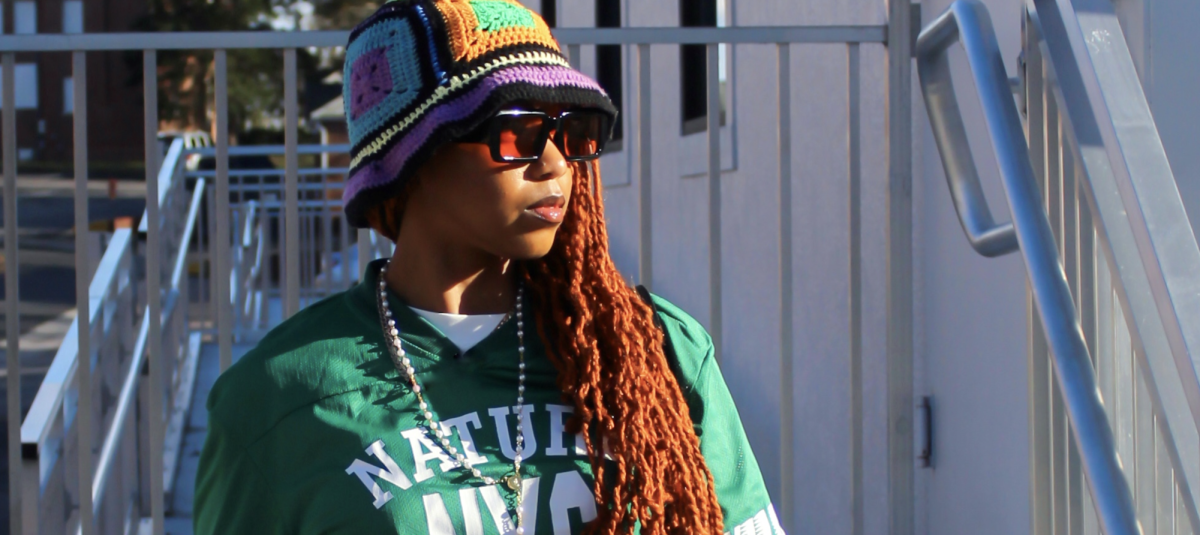
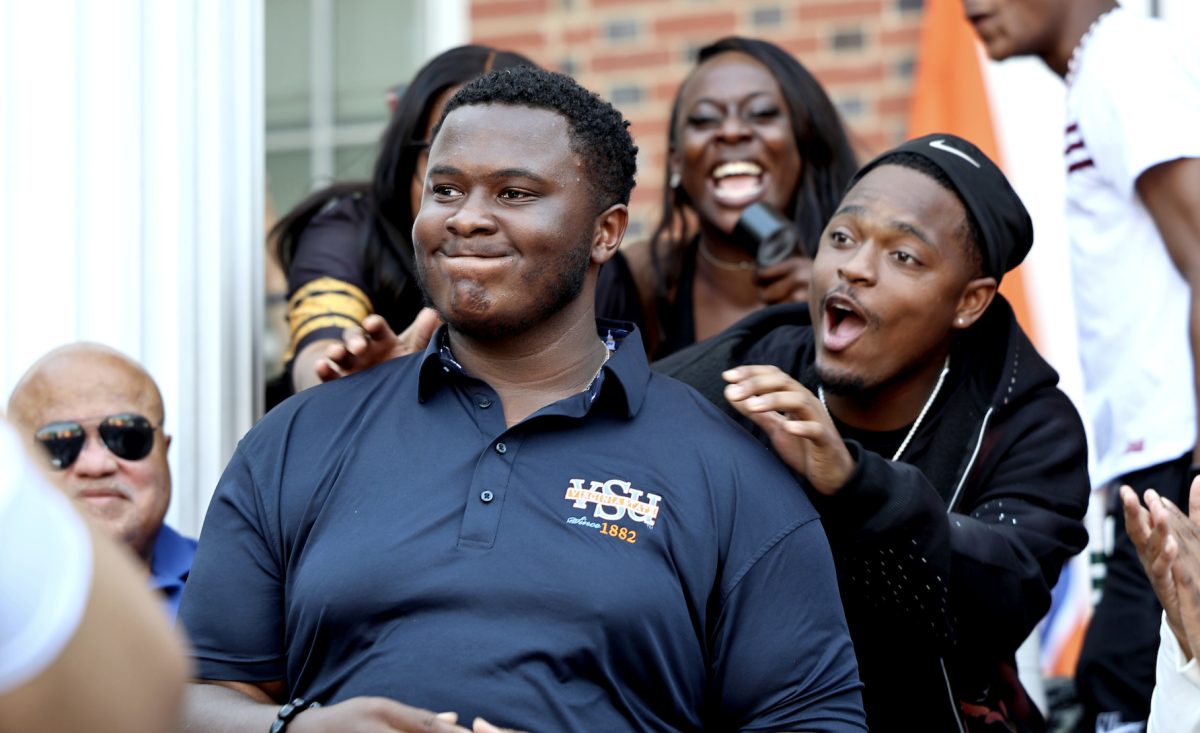
“The administration told students not to print hard news stories in their Homecoming edition. This is going against the free speech because it shows how universities can silence student journalists to protect their image. As a student at Virginia State University, I believe college media should stay independent so students can practice real journalism and hold power accountable,” Jerome Harris said.
“This action limits students’ ability to share honest stories about what happens on campus. It hurts free speech because it teaches students to stay quiet instead of speaking up about important issues,” Ri’Jon Hammond said.
“It was harmful to free speech because not only does the firing of the advisor discourage others from challenging administrative control in fear of facing the same consequence, but it also contradicts free expression, which public universities must uphold. This case conflicts with that, ultimately protecting the administration from scrutiny,” Tajir Joyner Lee said.
“Rodenbush saw this as a direct assault on rights guaranteed by the First Amendment. I see censorship as a limit of not just access to important information, but a way for world leaders to control what is being spread, especially when it challenges their views, whether it is the truth or not. People will not be allowed to form opinions based on more than one source of ideas because only specific ideas are being spread! It is a complete abuse of power, and only moving generations farther away from critical thinking, and having their own thoughts. As individuals we should be able to make our own decisions,” Nellie Ngoma said.
“This act of interference undermines editorial independence and threatens the principles of free speech and press freedom on campus. By attempting to control what the student newspaper could publish, the university engaged in a form of prior restraint that discourages open reporting and creates a chilling effect for student journalists. Such censorship not only silences the student press but also limits the campus community’s access to honest and independent information, setting a dangerous precedent that weakens free expression and accountability within higher education,” Iamyia Griffin said.
“This is harmful to free speech because it limits who gets to decide what is news and punishes those who refuse to censor. It can risk turning student media into a mouthpiece rather than an independent investigative outlet. It may put student media at risk of becoming a mouthpiece instead of an impartial source of information,” Amaya Collins said.